| STRADIVARIUS
Yields Mixed Results on Rimonabant American Heart Association Today's Top Story from American College of Cardiology Annual Scientific Session 2008 |
| Fonte: www.americanheart.org |
|
STRADIVARIUS, which evaluated treatment with rimonabant, a cannabinoid type 1 (CB1) receptor inhibitor, failed to meet its primary endpoint of reduced progression of percent atheroma volume (PAV) on intravascular ultrasound (IVUS) in abdominally obese patients with ischemic coronary artery disease. However, results for the secondary endpoint, normalized total atheroma volume (TAV) on IVUS, suggest that the drug may have the potential to slow the progression of coronary disease in this population of patients. The findings of the study also indicated that rimonabant reduced patients' weight and waist circumference and had a beneficial effect on metabolic parameters. The safety profile of the drug—particularly the risk of psychiatric disorders—remains a serious concern. STRADIVARIUS
was a multinational trial that involved 839 patients who had abdominal
obesity, defined as a waist circumference of more than 102 cm for men
or more than 88 cm for women, and who required coronary angiography for
a clinical indication. To be eligible, patients had to have two additional
risk factors of the metabolic syndrome or be a current smoker. The patients
were randomly assigned to treatment with either rimonabant, 20 mg daily
(422 patients) or placebo (417 patients). Rimonabant is an experimental
agent not yet approved in the United States but available in some European
countries. As a CB1 receptor inhibitor, the drug leads to a reduction
in food intake, an increase in the HDL level, and reductions in triglyceride
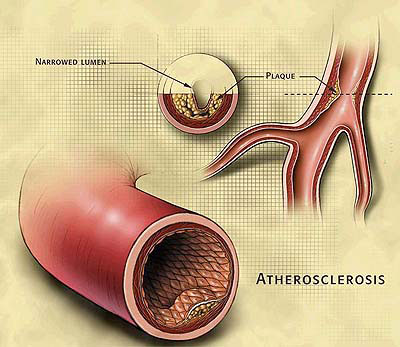
and Both PAV and TAV were determined by IVUS on all patients at the beginning of the study and again at 18 months on 676 patients who completed the trial, regardless of whether they were still taking the study drug. Dr. Nissen explained that PAV represents the percent of the external elastic membrane area occupied by the atheroma, whereas TAV is the absolute change in the sum of atheroma areas adjusted for the length of pullback in each patient. In addition, Dr. Nissen and his co-investigators documented changes over the course of the study in the patients' weight and waist circumference and in several biochemical parameters, including HDL, triglyceride, and CRP levels and in the level of hemoglobin A1c (HbA1c) in patients with diabetes.
Dr. Nissen reported that at 18 months, patients in the rimonabant arm had lost 4.3 kg, compared with 0.5 kg for the patients in the placebo group (p<0.001). There was also a significant difference in the decrease in waist circumference in the two groups (a decrease of 4.5 cm in the rimonabant arm vs 1.0 cm in the placebo arm; p<0.001). The study failed to show a significant benefit of rimonabant in terms of the primary endpoint. The PAV increased 0.25% (-0.04 to 0.54) in the rimonabant arm and 0.51% (0.22 to 0.80) in the placebo arm (p=0.22). However, there was a significant difference between the two groups with respect to the secondary endpoint; the TAV decreased 2.2 mm3 (-4.09 to -0.24) in the rimonabant arm and increased 0.88 mm3 (-1.03 to 2.79) in the placebo arm (p=0.03). "Although the current study did not achieve a statistically significant effect for the primary efficacy measure, the favorable results for the secondary endpoint suggests that this approach to the treatment of abdominal obesity holds promise for patients with abdominal obesity and heart disease," said Dr. Nissen. Dr. Nissen reported that rimonabant led to an increase in the HDL level of 22.4% (vs 6.9% in the placebo arm), a reduction in the triglyceride level of 20.5% (vs 6.2%), and a decrease in the CRP level of 50.3% (vs 30.9%). All differences were significant at p<0.001. Among patients with diabetes, the HbA1c level decreased 0.11% in the rimonabant arm and increased 0.40% in the placebo arm (p<0.001). Of concern in the study was the higher frequency of psychiatric adverse events in the rimonabant arm (43.4% vs 28.4%; p<0.001). This difference was primarily driven by significant increases in anxiety (18.0% vs 11.8%; p=0.01) and depression (16.8% vs 11.3%; p=0.02). Dr. Nissen pointed out that approximately one-quarter of the patients in the study had a history of psychiatric disease at the start of the trial. The risk of psychiatric adverse events was a factor in the unanimous recommendation against approval of the drug by a U.S. Food and Drug Administration advisory panel in 2007. The study was published online in JAMA [2008;299(13):1547-1560]. An editorial by John Rumsfeld, MD, PhD, of the Denver Veterans Affairs Medical Center, Denver, CO and Brahmajee Nallamothu, MD, MPH, of the Ann Arbor Veterans Affairs Medical Center, Ann Arbor, MI was also published in the same issue [2008;299913):1601-1602]. Dr. Rumsfeld and Dr. Nallamothu commented, "...pending data from ongoing outcomes trials like CRESCENO...the potential benefits of rimonabant therapy are offset by very real risks of depression and anxiety. The hopes for rimonabant ultimately may be realized if the drug is shown to have a favorable effect on mortality and cardiovascular events."
|